Agriculture & Fresh Produce
Agriculture and fresh produce.
Nuts, fruit, grains, oilseeds and cotton. Season and destination protocol sit in the specification.
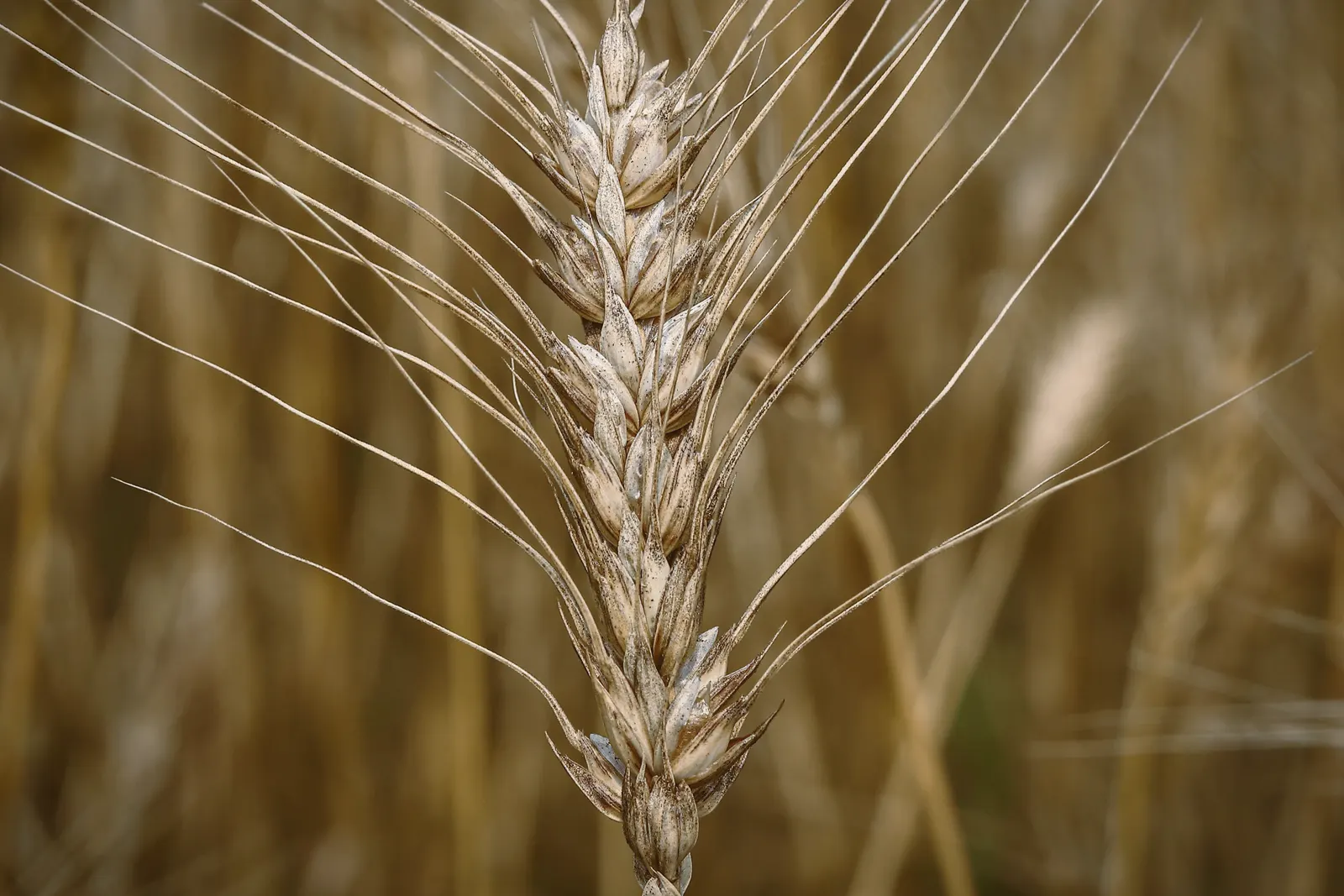
- A$8,661mWheat exportsDFAT, Agricultural trade, 2024–25
- A$4,909mCanola exportsDFAT, Agricultural trade, 2024–25
- A$4,192mHorticulture exportsDFAT, Agricultural trade, 2024–25
- A$3,397mRaw cotton exportsDFAT, Agricultural trade, 2024–25
What moves
- Macadamias, almonds and other nuts, in shell or kernel.
- Cherries, citrus, avocados, apples and other seasonal fruit.
- Wheat, barley, oats, canola and raw cotton.
Markets
- In 2024–25 China took 22% of Australia’s agricultural exports, then the United States (12%) and Japan (6.9%).
- Those shares are for agriculture as a whole. A single product’s destination is confirmed on the quotation.
Season
- Grains and cotton follow the Australian crop.
- Fresh fruit is often counter-seasonal to northern markets. The shipping window is named per variety.
What buyers specify
- Variety, district, grade and size.
- Moisture, protein or kernel style where that is the contract.
- Count, net weight and pack.
Packing and terms
- Cartons, bags or bulk, as the product requires.
- FOB, CFR and CIF are the sea terms buyers usually discuss. The term names who arranges freight and where risk passes.
Check before the goods move
- Plant exports follow the destination protocol in Micor, including any phytosanitary certificate. DAFF, Micor
- Fresh produce imported into Australia is checked in BICON before it is offered. DAFF, BICON
For a quotation
- The product and the specification: grade, variety, or part number.
- Export or import, and the destination or origin country.
- A quantity and a unit.
- Timing, and an Incoterm if you already know it.
- Your name, company, and an email for the reply.